







How the Piramal–Ummeed Partnership is transforming early childhood development
It’s 8:30 a.m. at the Early Intervention Centre (EIC) in a Seth Piramal Senior Secondary School in Jhunjhunu, Rajasthan. Rajesh, a Gandhi Fellow, kneels beside a young boy who struggles torecognise alphabets and seems withdrawn. With hand puppets, he draws the child into the activity, celebrating every small response of the child and at the same time observing him.
Across the corridor in the Occupational Therapy (OT) room, Alka, a Karuna Fellow, sets up sensory play activities for children with motor coordination challenges. Under the guidance of the therapist, she helps children to thread beads, balance blocks, and trace patterns—this helps her to recognize developmental needs through hands-on engagement.
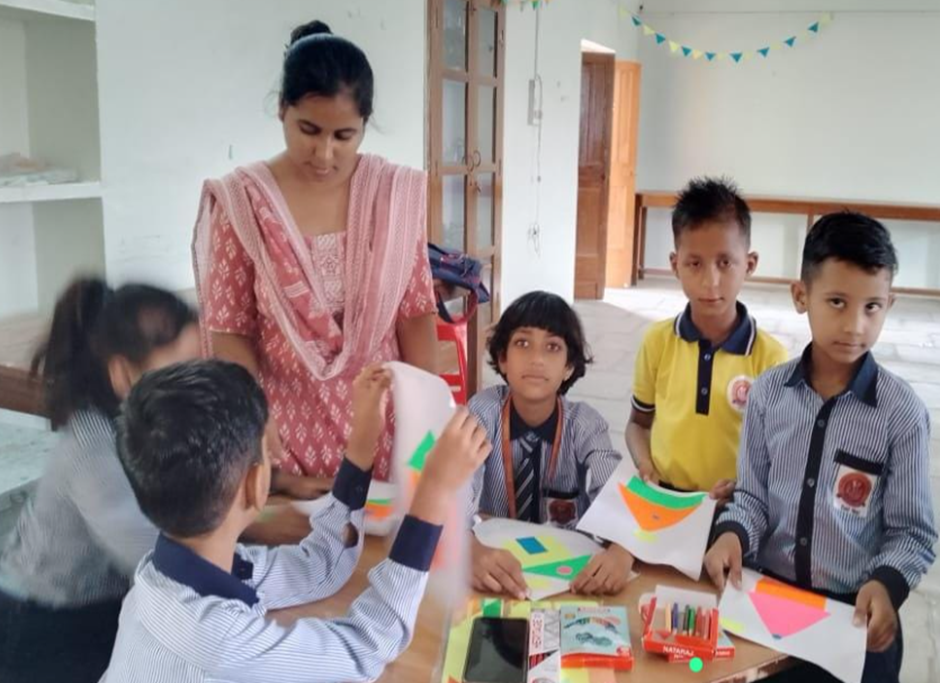
For both Rajesh and Alka, these mornings are about listening, observing, and building trust—with children, families, and teachers. And fuelling their ground breaking approach lies the Ummeed–Piramal Foundation partnership, which equips fellows to bridge early identification with real action.
Early Identification and Intervention: Shaping Lifelong Developmental Outcomes
250 million children (43% of child population) are at increased risk of not achieving their cognitive developmental potential in the first five years of life.
In India, 164.5 million children between 0–6 years of age account for a significant proportion of these children.
In India, 74% of children reside in villages, often marginalized, unreachable, and unaccounted for.
The earliest years of life form the foundation on which health, learning, and equity are built. Investing in the first 1,000 days of life therefore becomes critical for growth and intervention of the child. Prioritizing this stage advances SDG 3 by promoting good health and well-being and SDG 4 by laying the foundation for inclusive and equitable quality education.
The Partnership
Early identification and intervention for children with or at risk of developmental disabilities create more equitable pathways for children, contributing to SDG 10. To translate this commitment into meaningful action, PF and Umeed has joined hands to bring their strengths together. Piramal Foundation contributes its systemic vision and ability to drive change at scale, while Ummeed adds deep expertise in early intervention and developmental disabilities
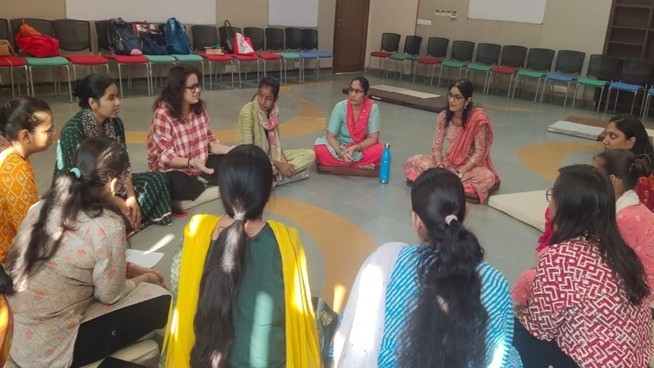
Through Child Developmental Aide (CDA) training, fellows learn to identify developmental delays early, use play-based and family-centred strategies, and work closely with teachers and parents to support every child holistically.
At the heart of this partnership is a cohort of dedicated fellows, along with Occupational Therapy (OT) support team members, who have been trained as Child Development Aides (CDAs). Today, every single CDA—100% of them—are actively working with children across multiple touchpoints in the school ecosystem: the Early Intervention (EI) Centre, classrooms, OT/PT sessions, learning centers, and pre-vocational programs.
“The CDA training helped me understand child development holistically — from observing milestones to designing individualized plans. I now feel more confident supporting children who need early intervention.”
— Gandhi Fellow
“This training changed the way I connect with children. I’ve learned that small, consistent actions in the early years can make a lifelong difference.”
— Karuna Fellow
Their role doesn’t stop at the school gate. Nearly half of these trained CDAs now extend their efforts into the community, conducting visits to children’s homes. This school–community connection ensures that children receive consistent support across environments, while families feel more engaged and empowered in their child’s developmental journey.
For many fellows, this opportunity marks their first real exposure to child development work. What begins as training quickly translates into real-world practice—observing children, collaborating with teachers, engaging parents, and building confidence to support every child’s needs.
Fellows now see themselves not just as facilitators but as early connectors and change agents working to ensure no child is left behind.
Emerging Impact of the Partnership
CDA training is already helping fellows build trust with families and spot developmental challenges early.
10 fellows and OT team members have been trained as Child Development Aides (CDAs).
100% of CDAs work across Early Intervention centres, classrooms, OT/PT sessions, and pre-vocational programs.
50% regularly visit communities, strengthening school–home connections.
14 team members have been trained on GMCD (Global Monitoring of Child Development)—a WHO-recognized tool for children under 42 months
The Road Ahead
With CDA and GMCD training, the Ummeed–Piramal Foundation partnership is shaping a future where every child gets a fair start. Because identifying delays early doesn’t just change a child’s classroom experience—it can change their entire life trajectory. As this partnership grows, so does our collective belief that early identification is not a privilege—it is every child’s right.
Aligned Visions, Shared Goals
Both Piramal Foundation and Ummeed believe in creating systems where no child is left behind. While Ummeed brings its deep expertise in early childhood development and caregiver engagement, Piramal Foundation offers the scale and commitment to embed these practices into government schools and communities, contributing to India’s global commitments on early childhood care and education.
About Ummeed
Ummeed, was founded in 2001 by Dr VibhaKrishnamurthy, one of India’s first developmental pediatricians, with the vision of helping children withand at risk of developmental disabilities reach their full potential andbe included in society. For over two decades, Ummeed has, throughits ‘family-centered approach’, been addressing the issues of earlyidentification, early and appropriate intervention, participation andempowerment of children with developmental disabilities andfamilies through all its work.
TAGS
SHARE


