







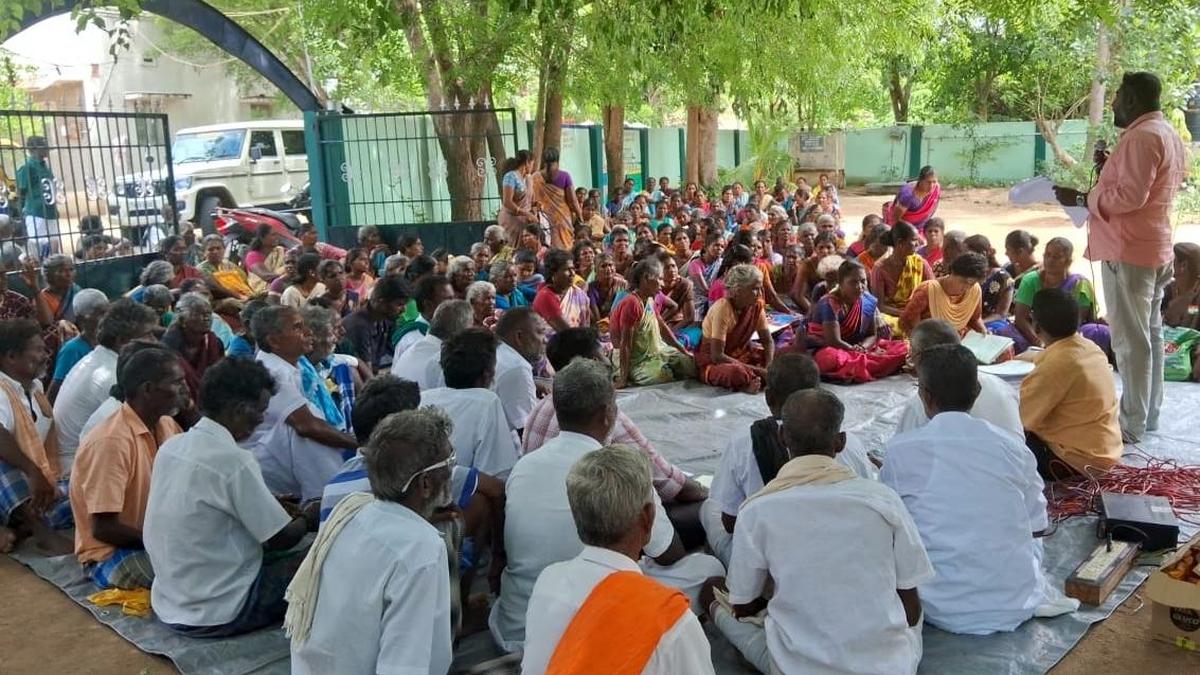
In India’s democratic architecture, the Gram Sabha holds a significance that is as fundamental as that of the Lok Sabha or Vidhan Sabha. Yet, the Gram Sabha, the constitutional cornerstone of grassroots democracy, remains an unsung hero in popular conversations and civic awareness. Unlike the Bal Sansad (Children’s Parliament), Youth Parliament, and the Model United Nations, the Model Youth Gram Sabha is an unfamiliar concept for most. Yet, it is in these village assemblies, not the grand chambers of Parliament, that democracy finds its purest expression — direct, participatory, and accountable.
Article 243A of the Constitution, introduced by the 73rd Amendment Act of 1992, defines the Gram Sabha as the foundation of the Panchayati Raj system. It represents every registered voter in a village and empowers them to deliberate on budgets, development plans, and governance priorities. This institution embodies participatory democracy, empowering rural citizens to shape decisions affecting their community, fostering transparency, accountability, and inclusive development. But despite its revolutionary potential, participation remains minimal.
This article was first published on November 03, 2025 in The Hindu
TAGS
SHARE


